Emmanuel Grégoire's Vision for Paris: A New Era Post-Hidalgo with a Unified Left-Ecologist Programme
As Paris gears up for the 2026 municipal elections, a palpable sense of anticipation hangs over the city. After two consecutive terms, incumbent Mayor Anne Hidalgo has announced her departure, paving the way for a transformative contest. At the forefront of this shift is Emmanuel Grégoire, the former First Deputy Mayor, who has emerged as the Parti Socialiste's nominee and the standard-bearer for a significant union of the left and ecologists. His emerging `municipales paris programme` is poised to define the future direction of one of the world's most iconic capitals, seeking to build upon past successes while addressing pressing domestic concerns and fostering a more inclusive form of governance.
Grégoire's campaign began to take shape with early engagements, notably a recent meeting with students at ESJ Paris, where he began to outline the key points of his programme. This initial outreach underscores a commitment to engaging with diverse voices, a crucial counterpoint to criticisms leveled against previous administrations for a perceived "top-down approach." The 2026 elections promise to be a fascinating battle, not just over policy, but over the very soul of Parisian democracy and its ability to adapt to a rapidly changing urban and national landscape.
Beyond the Hidalgo Era: A Mandate for Change and Continuity
The 2026 elections are set against a backdrop of change, marking a definitive departure from the Anne Hidalgo era. Her tenure, while marked by international acclaim for ambitious environmental initiatives, also faced significant domestic resentment. Hidalgo's legacy is indeed mixed: the introduction of over 500km of cycle lanes significantly reduced traffic-related air pollution by 44% in certain areas, and her efforts have even seen the Seine return to a nearly swimmable state for the first time in a century. These achievements have cemented Paris’s reputation as a leading green city on the global stage.
However, many Parisians felt disconnected from her administration, criticizing its often-perceived top-down approach and a lack of responsiveness to everyday urban issues. Her unsuccessful presidential bid in 2022, securing just 1.75% of the vote, further highlighted a perceived disconnect with the wider French electorate. This context creates a unique opportunity for Emmanuel Grégoire. As her former deputy, he is positioned to leverage the successes of the past decade, particularly in environmental policy, while simultaneously charting a new course that directly addresses the desire for more local engagement and democratic participation. His challenge, and indeed the essence of his `municipales paris programme`, will be to demonstrate how he offers both continuity where it counts and a fresh, inclusive vision for the city.
Emmanuel Grégoire's Coalition: Unifying the Left-Ecologist Front for Paris 2026
A defining feature of Emmanuel Grégoire's candidacy is his role as the frontman for a historic coalition that unites the Parti Socialiste (PS), Les Écologistes (France’s Green Party), and the French Communist Party (PCF). This broad left-ecologist alliance is not merely a political convenience; it represents a strategic effort to consolidate progressive forces and present a cohesive alternative for Paris. The very nature of this coalition will profoundly influence the content and priorities of his `municipales paris programme`.
This united front signals a strong emphasis on sustainability, social justice, and local democracy. For citizens, this means a programme likely to champion ambitious environmental targets, but also one deeply rooted in social solidarity, aiming to tackle issues such as inequality and access to essential services. The inclusion of Les Écologistes ensures that environmental policy remains at the heart of urban development, perhaps with an even greater focus on citizen-led initiatives and hyper-local greening projects. The PCF’s involvement typically underscores commitments to public services, affordable housing, and workers' rights. This nuanced convergence of ideologies allows Grégoire to appeal to a wider demographic of progressive voters who seek both a greener and a fairer Paris. For a deeper understanding of these strategic alignments, you might explore
Paris 2026: Decoding the Left's New Alliances Post-Hidalgo.
Key Pillars of the Municipales Paris Programme
While the full details of Emmanuel Grégoire’s `municipales paris programme` are still unfolding, several key thematic pillars can be anticipated, reflecting both his political background and the priorities of his diverse coalition:
*
Sustainable Urban Transformation: Building on the foundation laid by Hidalgo, Grégoire is expected to push for an accelerated green transition. This will likely involve further expansion of sustainable transport networks, including more cycle paths and improved public transport options, alongside the continued greening of public spaces. However, the emphasis could shift towards integrating these initiatives more closely with local communities, ensuring that new green infrastructure genuinely benefits residents and enhances quality of life across all arrondissements, not just the central areas. Expect proposals for enhanced air quality measures, responsible waste management, and energy transition strategies for public buildings and homes.
*
Participatory Governance and Local Empowerment: Directly addressing the criticism of a "top-down" approach, Grégoire's programme is likely to champion significantly enhanced citizen participation. This could manifest through strengthened *conseils de quartier* (neighborhood councils), expanded participatory budgeting initiatives, and more direct consultation mechanisms for major urban projects. The idea is to empower Parisians to have a more tangible say in decisions affecting their daily lives, from local park developments to urban planning regulations. By fostering greater transparency and direct involvement, he aims to rebuild trust between citizens and their municipal government.
*
Affordable Housing and Social Equity: Given the severe housing crisis in Paris, a core focus of the left-ecologist programme will undoubtedly be on increasing the supply of affordable housing. This will likely involve ambitious targets for social housing construction, stricter regulations on short-term rentals, and support for innovative housing solutions. Beyond housing, the programme will aim to bolster social services, combat precariousness, and reduce inequalities, ensuring that Paris remains a city accessible to all, not just the wealthy. Initiatives might include enhanced support for vulnerable populations, improved access to childcare, and expanded cultural and sports programmes in underserved neighborhoods.
*
Enhanced Public Services and Mobility: While cycling has seen a boom, a truly sustainable city requires a holistic approach to mobility. Grégoire’s programme will likely advocate for improvements in public transport, including the expansion and modernization of metro and bus networks, along with better pedestrian infrastructure. Beyond transport, the focus will be on strengthening local public services – from schools and healthcare facilities to libraries and community centers – ensuring they are adequately funded and responsive to local needs. This includes a strong commitment to keeping streets clean and safe, addressing one of the most persistent concerns among Parisians.
*
Economic Resilience and Local Business Support: Balancing environmental ambitions with the vitality of Paris's economy will be crucial. The programme is expected to include measures to support local businesses, artisans, and cultural institutions, which are the lifeblood of Parisian neighborhoods. This could involve direct financial aid, administrative simplification, and initiatives to promote local consumption and sustainable economic models. Grégoire will likely emphasize that a green transition must also be an economically inclusive one, creating new opportunities and protecting traditional Parisian livelihoods.
Navigating the Political Landscape: Alliances and Challenges
Emmanuel Grégoire faces a complex political landscape. While he has successfully forged a powerful left-ecologist alliance, the broader French political climate is increasingly fragmented. The rise of the far-right across France, as evidenced by recent national polling, casts a long shadow, even in a traditionally liberal stronghold like Paris. Grégoire's ability to unite his coalition and present a compelling `municipales paris programme` that resonates widely will be key to countering this national trend within the capital.
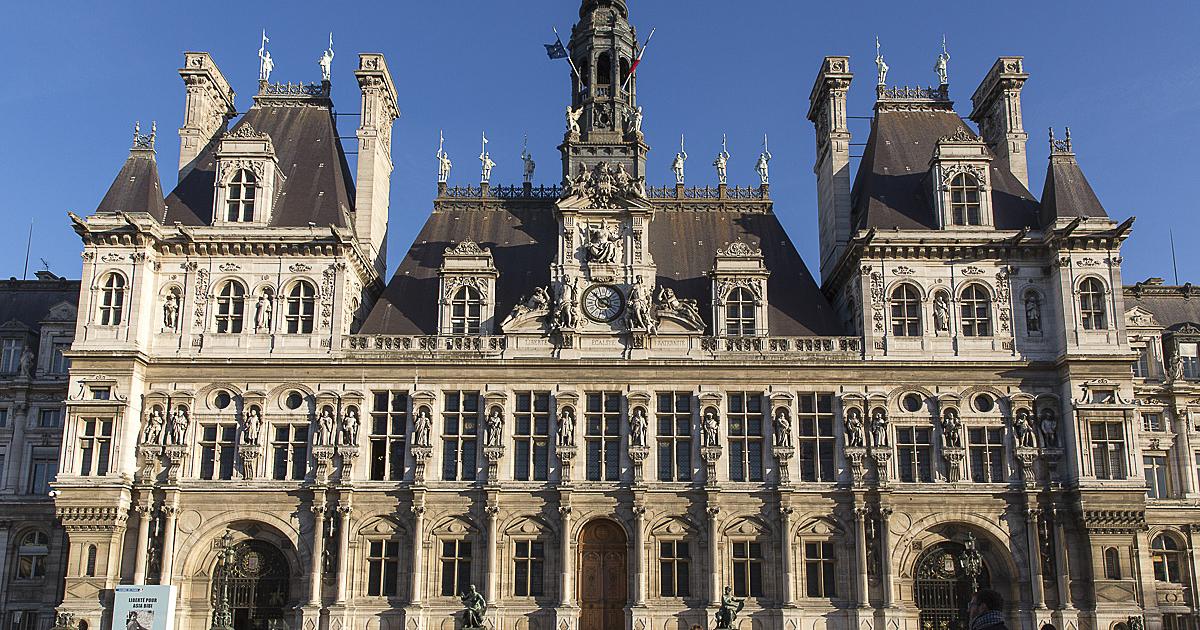
The absence of an alliance with Jean-Luc Mélenchon’s La France Insoumise (LFI), whose candidate Sophia Chikirou is also standing, adds another layer of complexity. Grégoire’s stated path to Hôtel de Ville is without them, meaning his programme must be robust enough to attract voters from across the left-leaning spectrum, including those who might otherwise lean towards LFI. In an era where elections are often less about traditional issues and more about personalities, underpinned by complex alliances and the ubiquitous influence of social media, Grégoire's challenge is to cut through the noise with a clear, actionable, and inspiring vision for Paris.
Conclusion: The Stakes for Paris 2026
Emmanuel Grégoire's `municipales paris programme` for 2026 represents a pivotal moment for the city. Emerging from Anne Hidalgo's shadow, he leads a significant union of the left and ecologists, promising a blend of continued environmental ambition and a renewed focus on participatory governance and social equity. His programme will need to skillfully navigate the successes and shortcomings of the past, address the tangible concerns of Parisians, and adapt to a dynamic national political environment. The elections are not just about choosing a new mayor; they are about defining Paris's identity in the 21st century – a city that is green, inclusive, vibrant, and truly democratic. As the campaign unfolds, all eyes will be on how Grégoire articulates his vision and whether he can inspire a city ready for its next chapter. To learn more about the candidates vying for leadership, refer to
Your Guide to the Key Candidates in Paris Municipal Elections 2026.